
Mobility Training After 40: Where to Start
After 40, many people notice the same small changes. Getting up off the floor takes a little more effort. Your hips feel tight after a long drive, and reaching for the top shelf comes with a twinge in the shoulder. It's easy to blame age, but much of that stiffness comes from simply not moving through a full range of motion often enough.
The good news: joints and muscles respond to training at any age. A few minutes of mobility work, done consistently, can help you move more freely, train with fewer aches and stay independent for longer.
Why Mobility Matters More With Age
From your thirties onwards, you gradually lose muscle mass and the connective tissue around your joints becomes less elastic. Add hours of sitting and a less active lifestyle, and the ranges you don't use start to disappear.
Mobility is different from flexibility. Flexibility is how far a muscle can be passively stretched; mobility is how far you can actively move a joint with control and strength. That control is what protects you when you squat, lift a suitcase or catch yourself on a slippery step.
The Benefits of Regular Mobility Work
- Easier everyday movements such as bending, kneeling and reaching overhead
- Better squat, lunge and overhead positions in the gym
- Improved balance and a lower risk of falls later in life
- Less stiffness after long periods of sitting or travel
- A calm, low-impact way to move on recovery days

A 15-Minute Mobility Routine
Work slowly and breathe steadily. Move into each position until you feel a strong but comfortable stretch — never pain.
- Cat-cow (1 minute): on hands and knees, alternate between rounding and arching your spine to warm up your back.
- Half-kneeling hip flexor stretch (1 minute per side): tuck your pelvis and gently shift forward until you feel the front of the hip open.
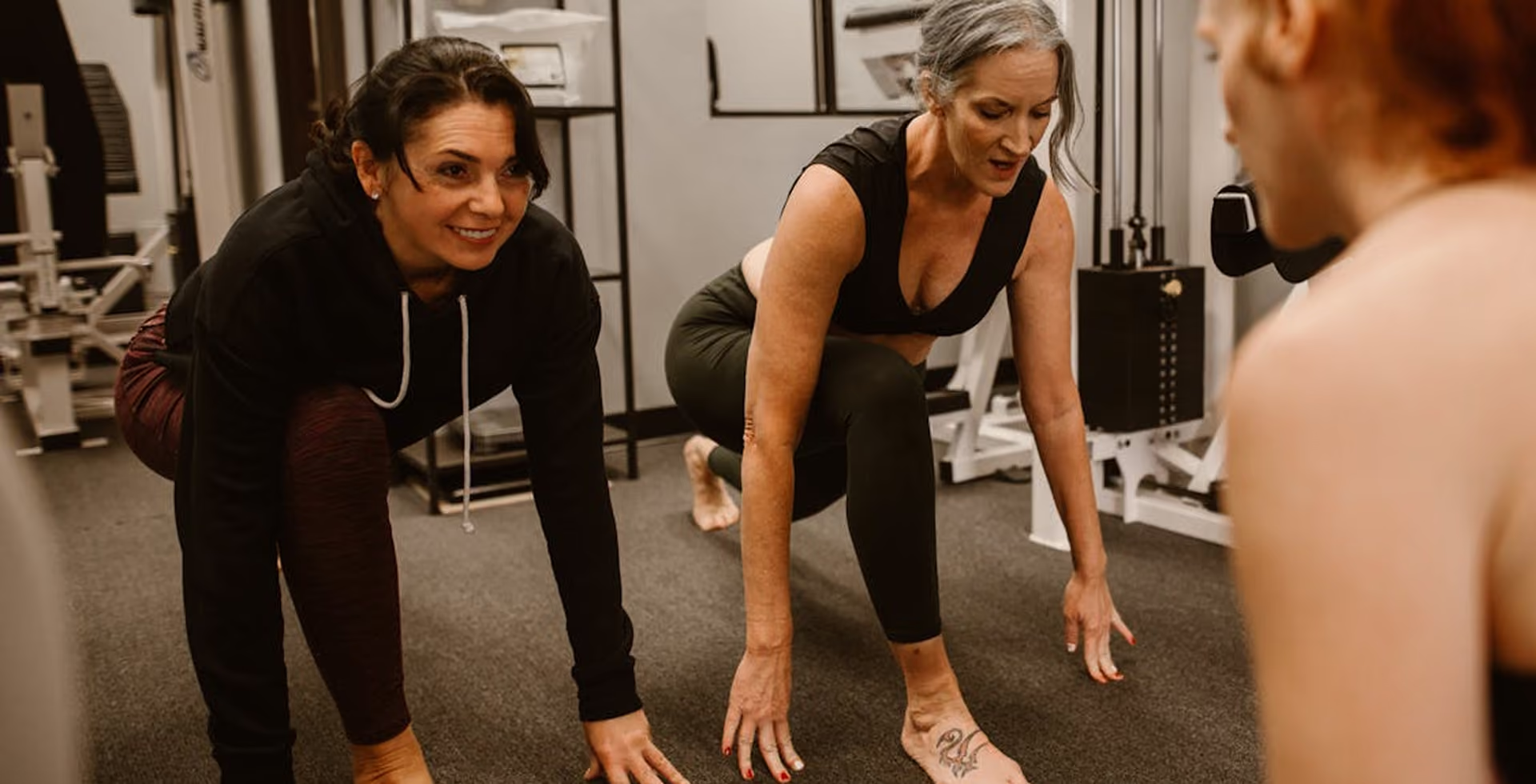
- World's greatest stretch (5 per side): step into a long lunge, place your hand inside your front foot and rotate the other arm towards the ceiling.
- Deep squat hold (3 × 30 seconds): hold onto a rack or door frame if needed and keep your heels down.
- Thoracic rotations (8 per side): lie on your side with knees bent and open your top arm across your body.
- Hamstring floss (10 per side): lying on your back, straighten and bend one raised leg.
- Wall slides (10 reps): slide your arms up a wall while keeping your lower back and wrists in contact.
How Often Should You Do It?
Aim for short sessions most days rather than one long session a week. Ten to fifteen minutes before a workout or first thing in the morning is plenty. Most people feel a difference within two to three weeks, and measurable improvements in range of motion within six to eight.

Combine Mobility With Strength
Mobility gives you range; strength lets you control it. Pair your routine with two or three strength sessions a week focused on squats, hinges, presses and rows. Training in a group, as in our mobility classes, also makes it easier to stay consistent — and to laugh about the moves you can't do yet.
Joining a mobility class or working with a coach is a great way to get your technique checked from the start. Ask our team about our 40+ Strength and Mobility program.