
Sweat Loss and Electrolytes: How to Rehydrate Right
Finishing a hard session dripping in sweat can feel like proof of a good workout. But sweat isn't just water. Every drop carries sodium, potassium and other electrolytes your body needs for muscle contractions, nerve signals and fluid balance.
Replace too little and you'll feel tired, cramp-prone and sluggish in your next session. Here's how to work out what you lose and how to put it back.
What Is in Your Sweat?
Sweat is mostly water, but sodium is the main electrolyte lost — on average around 1 gram per litre of sweat, although some people lose much more. "Salty sweaters" often notice white marks on their clothes or a gritty feeling on their skin after training. You also lose smaller amounts of potassium, chloride, magnesium and calcium.
How much you sweat depends on genetics, fitness, body size, temperature, humidity and the intensity of your workout. Two people doing the same class can lose very different amounts.
How to Measure Your Sweat Rate
- Weigh yourself in minimal clothing just before training, after using the toilet.
- Train as normal for about an hour, keeping track of how much you drink.
- Towel off and weigh yourself again straight afterwards.
- Every 1kg of weight lost equals roughly 1 litre of sweat. Add the volume you drank to get your total sweat loss.
Repeat this test in different conditions — a cool morning run and a hot indoor class can give very different results.

Do You Need Electrolytes?
For most workouts under an hour, water and your normal meals are enough. Food naturally contains sodium and potassium, and a balanced post-workout meal will replace what you've lost.
Consider an electrolyte drink or tablet when:
- Your session lasts longer than 60–90 minutes
- You're training in hot or humid conditions
- You lose more than 2% of your body weight during exercise
- You notice salt marks on your kit or suffer from muscle cramps
- You're training twice in one day
How Much to Drink After Training
Aim to drink about 1.25–1.5 litres of fluid for every kilogram of body weight lost, spread over the next few hours rather than all at once. Drinking a little extra accounts for the fluid you'll continue to lose through urine.
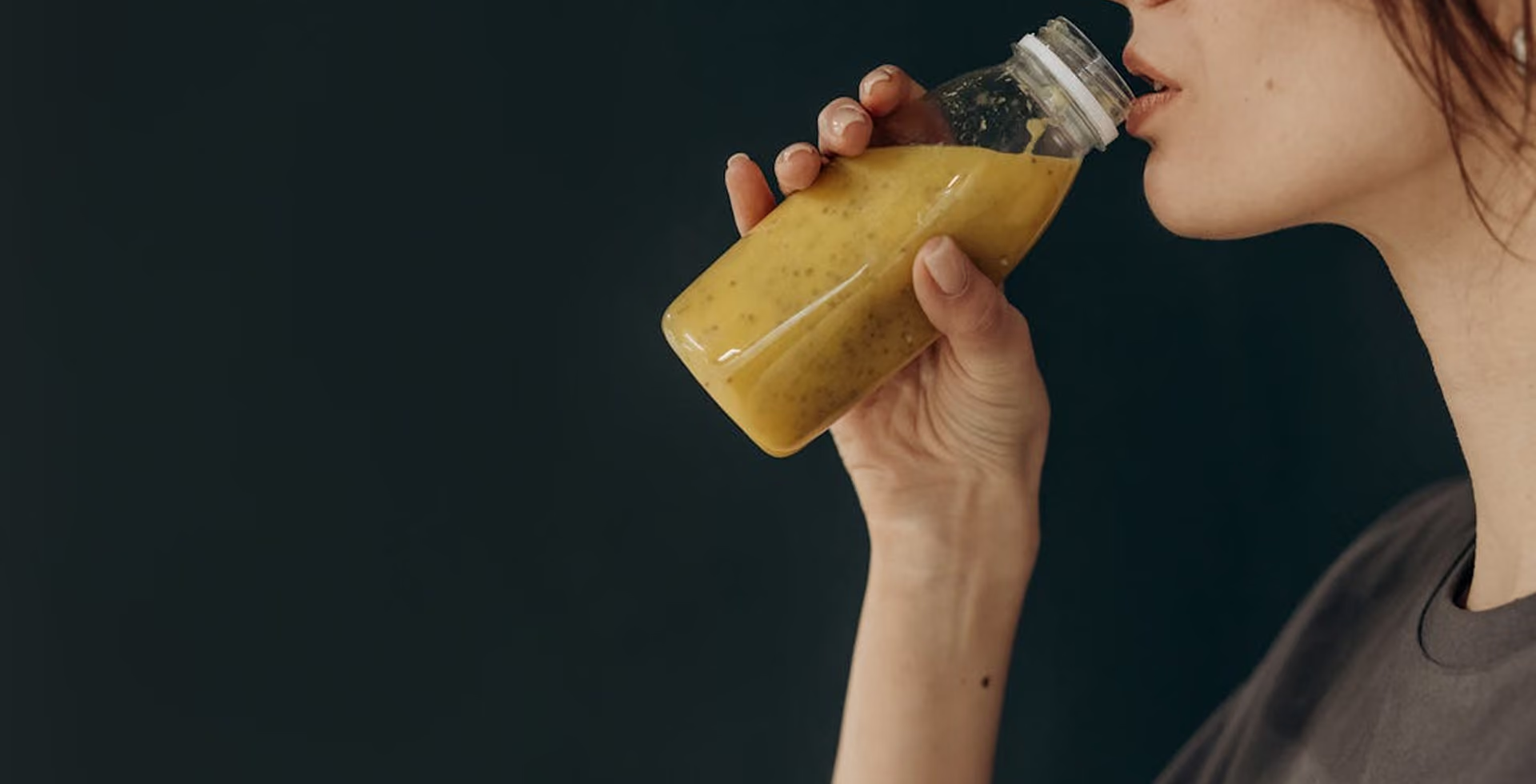
Including sodium helps your body hold on to that fluid. Good options include an electrolyte drink, a glass of milk, or a meal with a pinch of salt — soup, rice dishes and salted potatoes all work well.
Signs You Are Under-Recovering
Watch out for dark urine, headaches, dizziness when standing up, unusual fatigue or a noticeable drop in performance. Pale yellow urine is a simple daily check that you're well hydrated.
Make Hydration a Habit
Start each session already hydrated, sip during longer workouts and recover with fluids and salt afterwards. Knowing your own sweat rate takes the guesswork out of it.
Our nutrition coaches can help you build a hydration and fuelling plan around your training. Ask about a nutrition consultation at the front desk.